
Farm Equipment
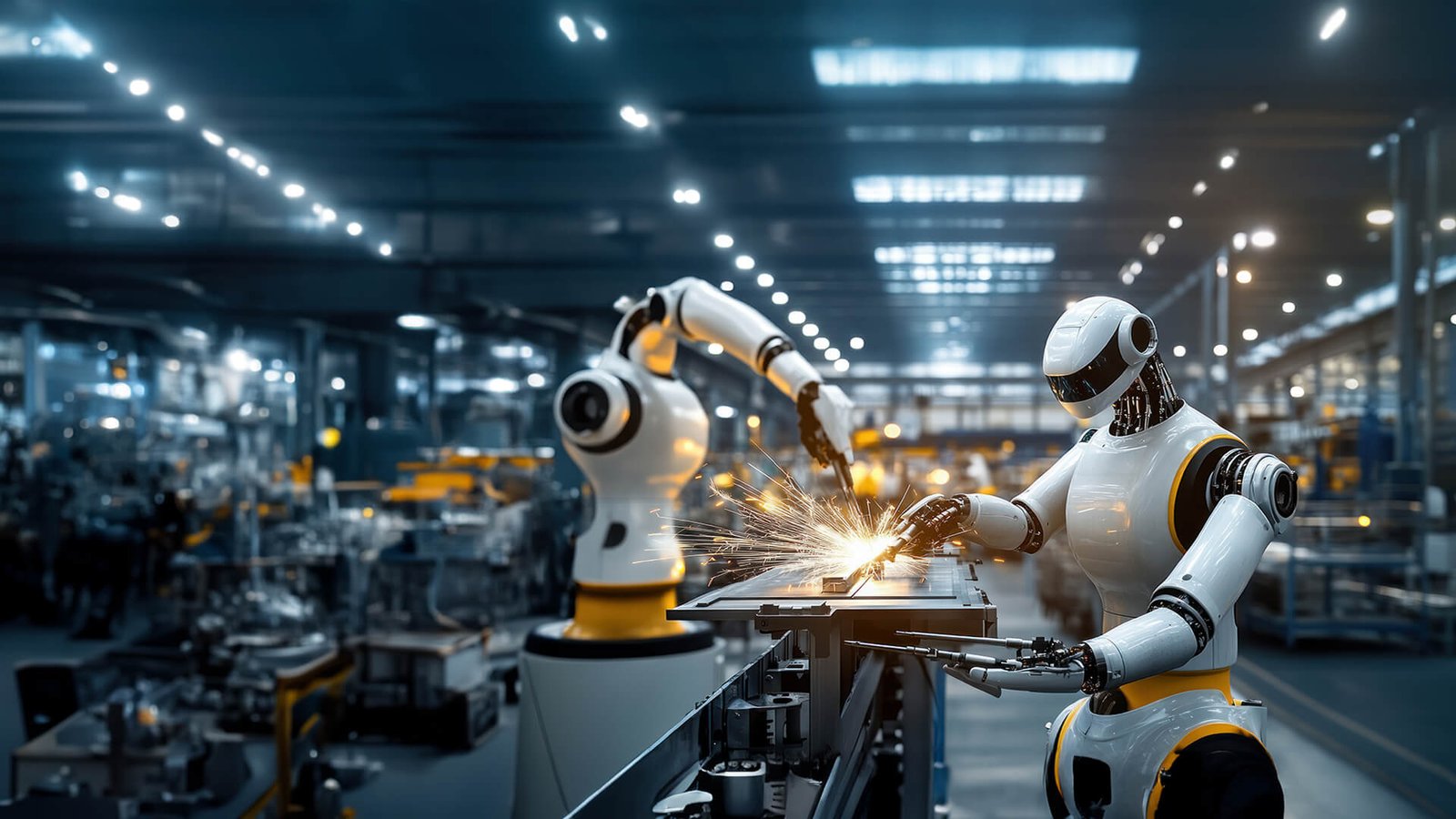
Agricultural equipment operates under demanding conditions involving heavy loads, continuous vibration, dust, moisture, and long operating cycles. Reliable components are essential for maintaining equipment performance, productivity, and service life.
Durable components built for high performance in modern agriculture equipment.
Heavy-Duty Strength
Components designed for demanding load conditions and repetitive operation.
Wear Resistance
Manufacturing processes focused on durability in abrasive and high-use environments.
Production Consistency
Controlled processes supporting repeatable quality across production volumes.
Application Flexibility
Component manufacturing support for multiple agricultural machinery systems.
Industry Requirements
- High Strength Parts
- Wear Resistant Components
- Reliable Performance
Engineering Solutions for Real-World Demands
01 — Harsh Operating Environments
Farm machinery regularly operates in dust, mud, moisture, vibration, and changing field conditions.
Robust forged and machined components manufactured for durability, dimensional consistency, and dependable operation in demanding environments.
02 — Continuous Heavy Loads
Transmission and working systems experience repetitive loading and long operating cycles.
Controlled forging and material processing support component strength and reliable mechanical performance.
03 — Wear & Component Life
Continuous movement and abrasive environments can accelerate component wear.
Material selection, controlled heat treatment, accurate machining, and appropriate finishing support improved service performance.
04 — Reliable Power Transmission
Agricultural machinery depends on gears and drivetrain components for dependable power delivery.
Precision gear manufacturing and inspection support accurate tooth geometry and consistent transmission performance.
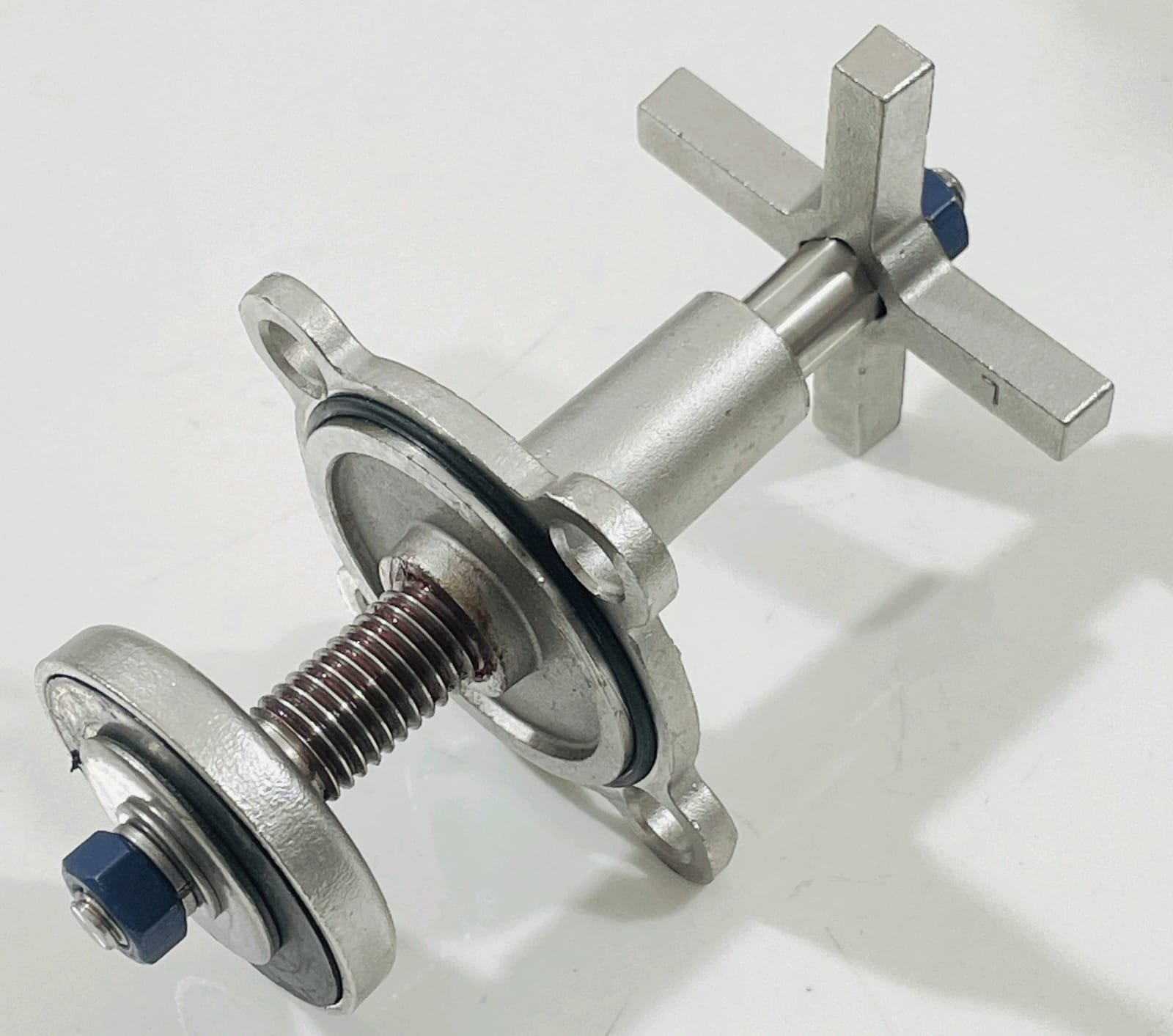
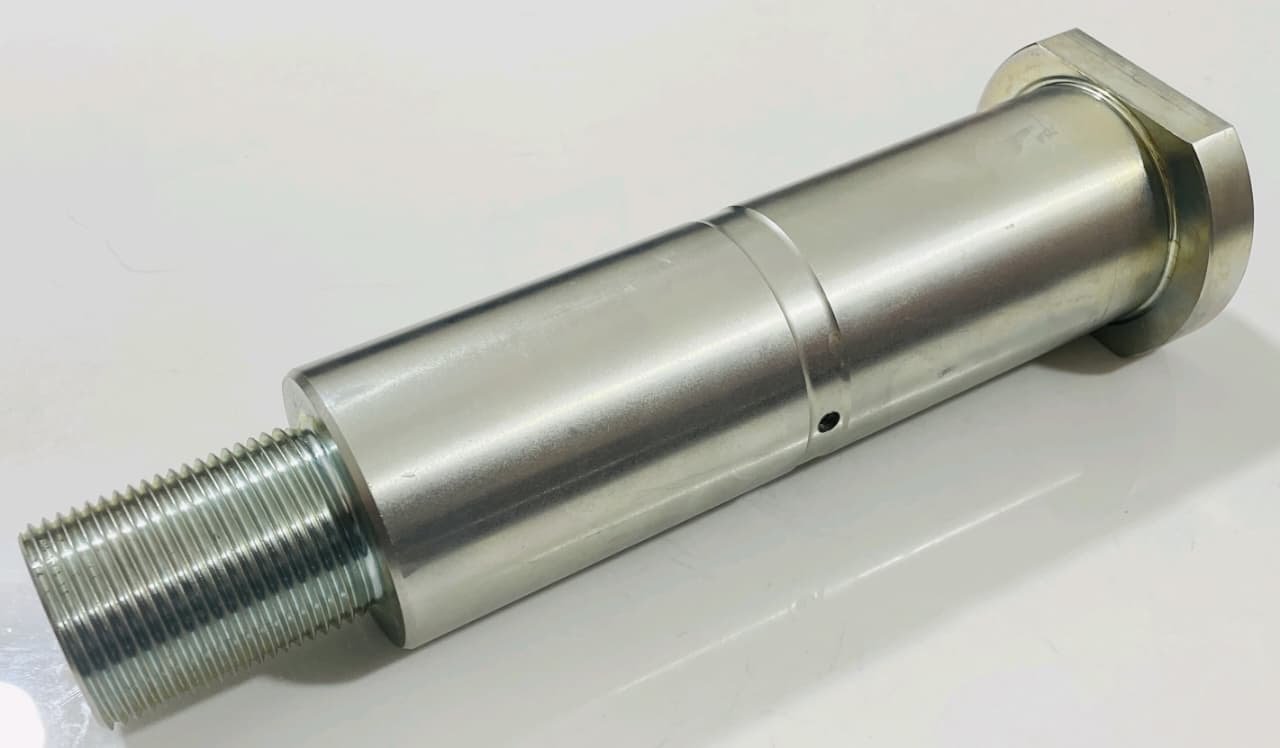
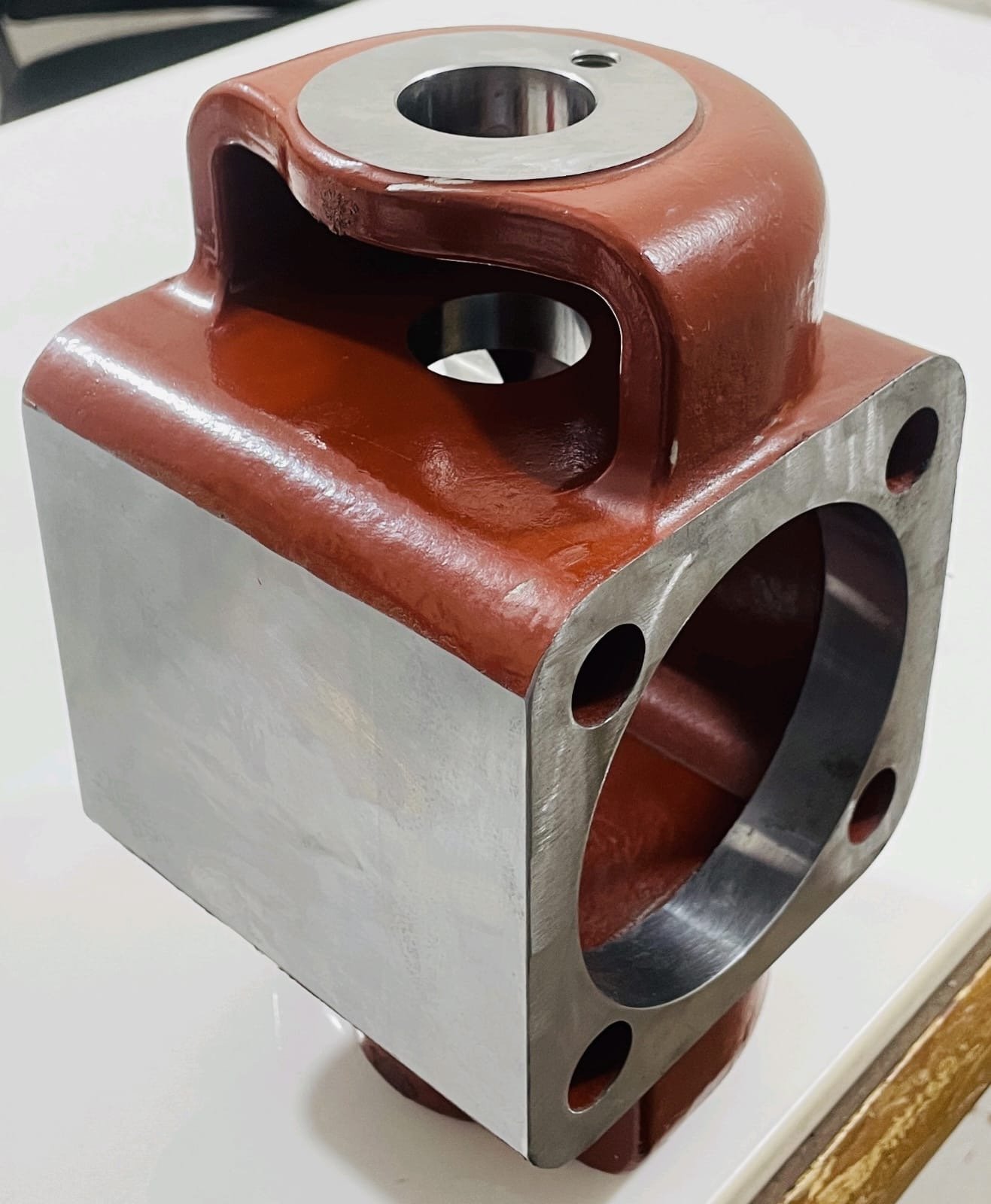
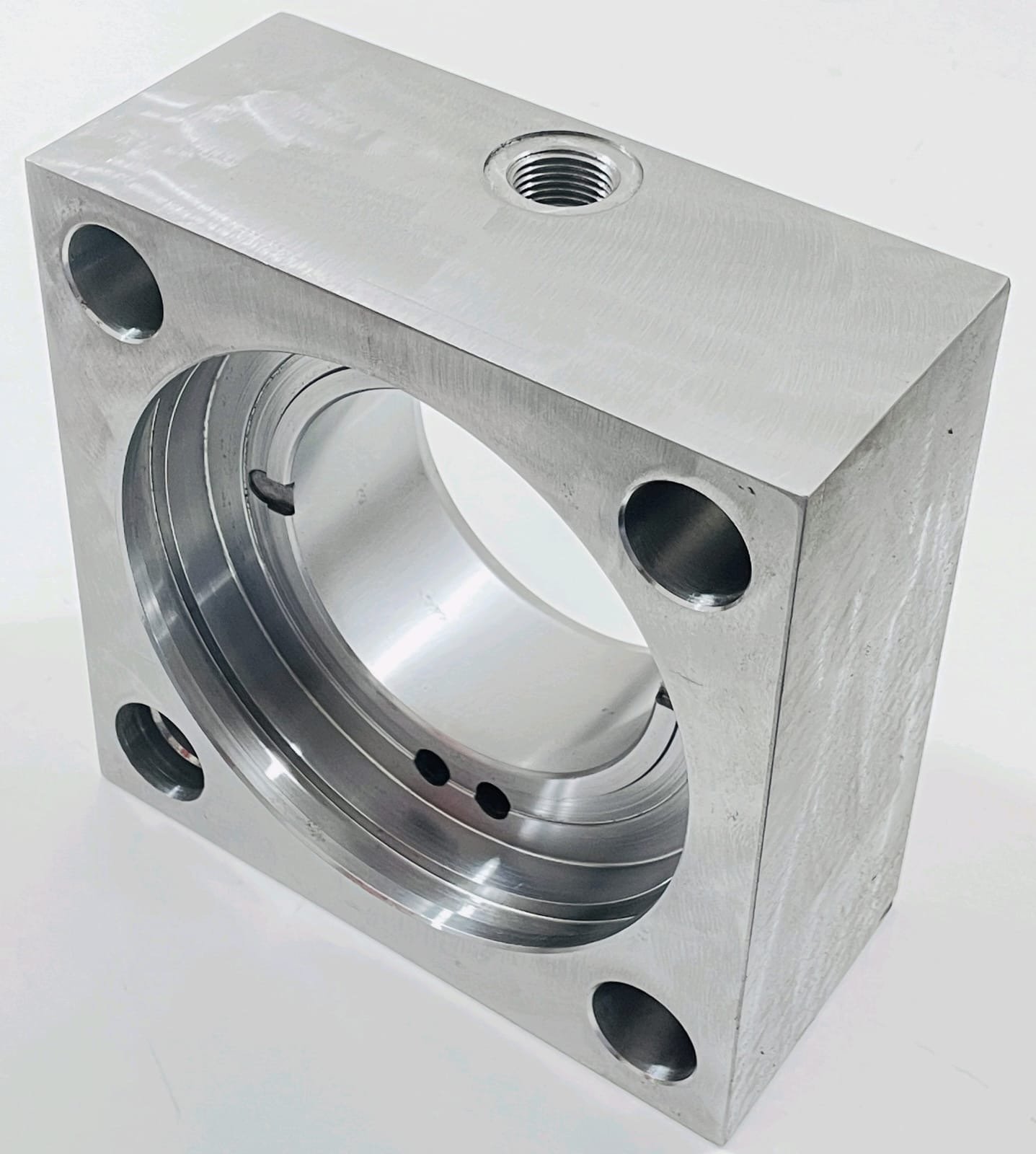
Precision Components for Critical Applications
Manufacturing Advantages That Support Your Operations
Advantage 01 — Integrated Manufacturing
Forging, machining, gear manufacturing, and inspection capabilities within a coordinated manufacturing ecosystem.
Advantage 02 — Process Control
Defined manufacturing processes and systematic inspection support consistent production quality.
Advantage 03 — Engineering Flexibility
Manufacturing support for different materials, component geometries, specifications, and production requirements.
Advantage 04 — Quality Focus
Quality verification integrated from incoming material inspection through manufacturing and final validation.